
Friday Links
October 2, 2024
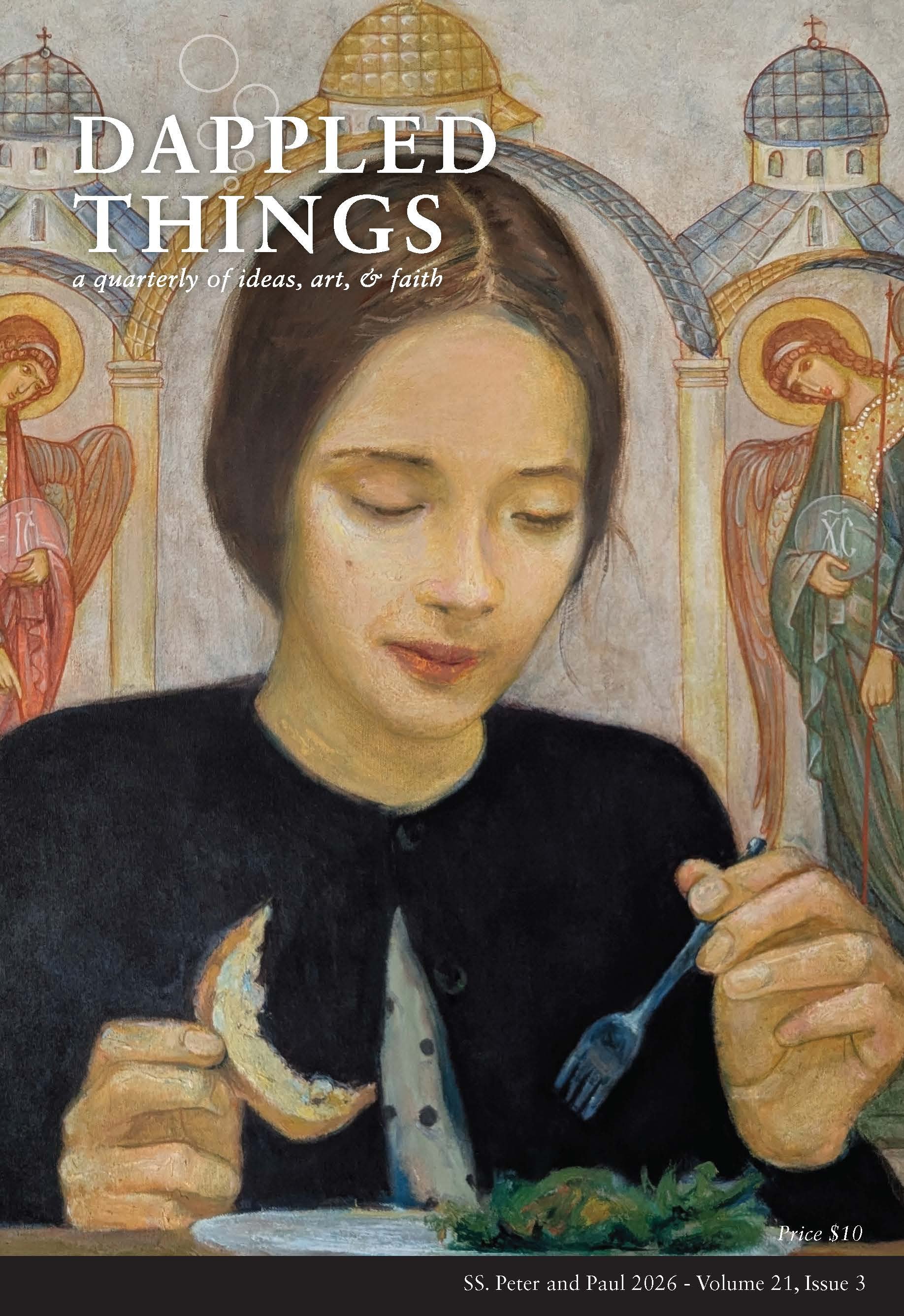
Stoner by John Williams: The Most Famous Unknown Novel in the World
ERB Best New Fiction July-September 2026
How I Dealt With the Daily Wire Slander
Ghosts in the Machine
Why Brandon Flowers’s ‘An American Dream’ Hits
A Visit to the Precious Moments Chapel
Stoner by John Williams: The Most Famous Unknown Novel in the World
James McWilliams, in the Texas Observer, called Stoner the greatest novel ever written by a Texas-born writer you’ve never heard of. What so many converts to the cult of Williams’ palpable aura of authenticity, whether recently or originally, feel seeping into their souls from this author, almost as if directly from his unconscious to ours and bypassing the conscious zone completely, may be tricky to put into words ourselves. But my best guess would be his adherence to the idea that making a persistent effort to be true to your art is what matters, even more than fame or fortune, and certainly more than celebrity. Not the sweetness of triumph necessarily, then, but what I would call the tenderness of trying.
ERB Best New Fiction July-September 2026
This list includes our friend Trevor Cribben Merrill’s The Comforts of Exile.
How I Dealt With the Daily Wire Slander
Gabriel (Gabi) Castillo and Matt Fradd discuss how calumny and rash judgement on the internet are worse than you think.
Ghosts in the Machine
Edward Feser reviews Paul Kingsnorth’s Against the Machine: On the Unmaking of Humanity. The review is behind a paywall, but if you’ve got a subscription, it is well worth reading.
Why Brandon Flowers’s ‘An American Dream’ Hits
Daniel Foster writers for NR on how Brandon Flower’s The Tonight Show performance is all over the internet. I just saw Flowers in concert and he was fantastic. The guy can sing, he seems humble, and he’s a great showman.
The tune itself is great. A hook precision-engineered for bar singalongs and a lyric full of James Ellroy, Cormac McCarthy-level American arcana and myth (“Strauss and Stetson,” “an ad for the Red Man,” and Elvis Presley in “jet-black ’68 comeback leather”). It’s also fully, unapologetically a song about God — a distinctively American, distinctively American West God, which makes sense since Flowers’s God is Jesus Christ of the Latter-Day Saints.
A Visit to the Precious Moments Chapel
Matthew Milliner writes about his visit to the Precious Moments Chapel and “Art History Under the Camouflage of Kitsch”:
I went on a dare. My friend Brett, an English professor and poet with a doctorate from Yale, had once visited the Precious Moments Chapel on a family road trip. He thought that I, who also boasted a fancy degree and who formally studied art history, might get some kicks out of visiting “America’s Sistine Chapel.” After all, we sophisticated Christians, the kind who bend over backwards to defend contemporary art and literature, often do so at the expense of the Christianity that reared us. In fact, so much time is devoted to making fun of lesser Christians (especially when they don’t vote as we wish they would) that the practice could qualify as a professional sport. Mockery can result in decent writing, whether an academic article calling out “baptized capitalism, where a religious sheen enhances the magic and greases the wheels of commerce,” or a more casual think piece dripping with sardonic disdain. Brett was planning to call his piece “Specious Moments.” The Precious Moments Chapel is in Carthage, Missouri, and like Cato the Elder we might have been tempted to say “Carthago delenda est” (Carthage must be destroyed).
