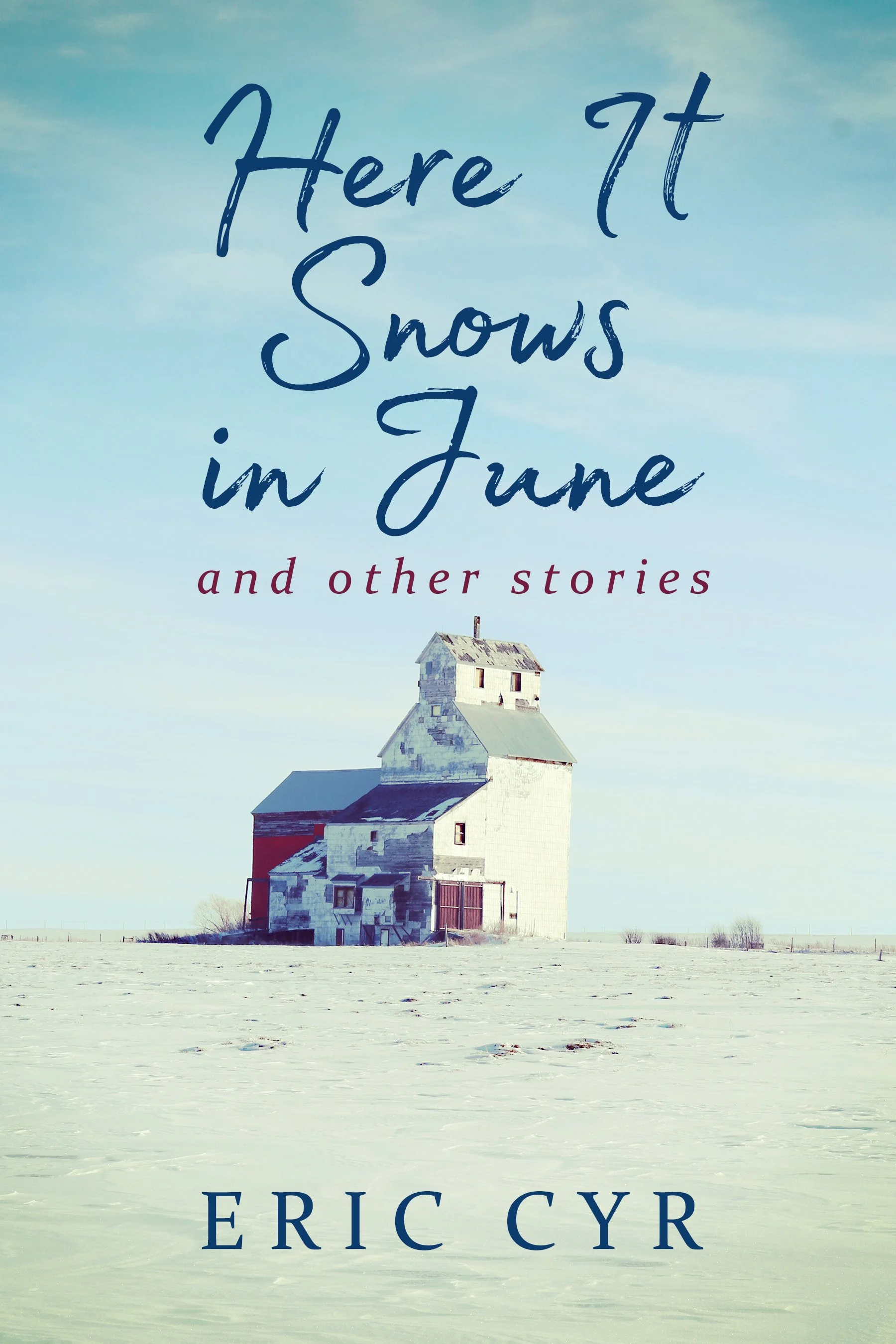
Here It Snows In June
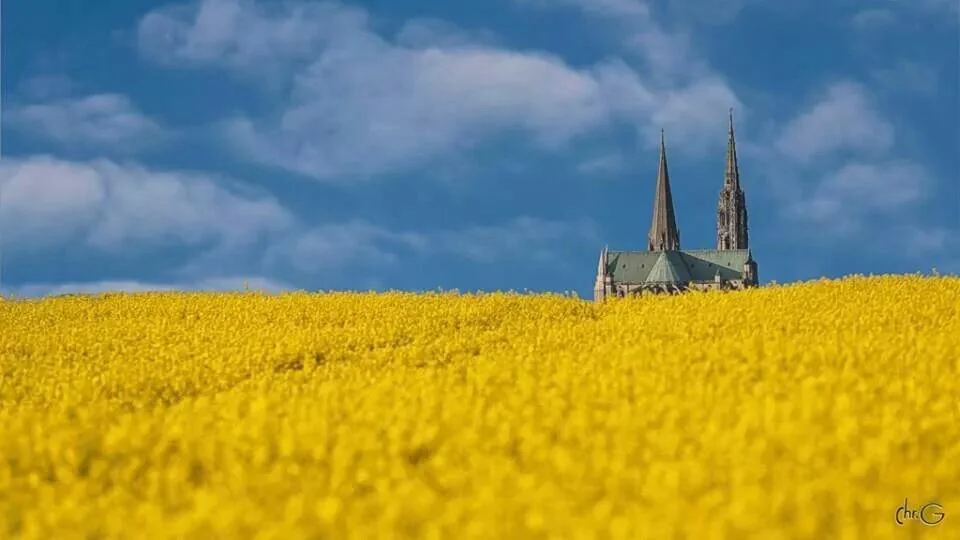
Not long ago, I accompanied a group of pilgrims to Rome. One of the sacred sites we visited was St. Mary Major. As we stood outside on a beautiful spring day and squinted at sunlight glittering off the golden facade, our guide explained to us this was the first place that pilgrims traditionally stopped when they arrived in the city. In the days when pilgrims arrived weary and footsore, having walked countless miles like sacred legionaries down the valleys of the peninsula, St. Mary’s must have been a startling vision, almost like a magical oasis. It reminds me of pilgrims to Chartres who would weep at the sight of the cathedral spires emerging from fields of golden wheat like a shimmering fairy castle. Homo viator finally encountering the hope that has kept him moving experiences profound emotions when the homecoming finally arrives.
There’s an other-worldly strangeness to St. Mary Major not only on the exterior but also inside, where a traveler can pause and pray before relics of the Nativity. The church has thus become the stational church for Christmas, a place where Christ is always being born. One of the four Major Basilicas and mother of all churches, the building is dedicated to Our Lady, and the place it is situated was made sacred by Our Lady herself. Sometimes referred to as Our Lady of the Snows, the property was donated by a Roman patrician couple during the pontificate of Liberius. Not having any children of their own, they desired to bequeath their wealth directly to the Virgin. Their only question was of the most amenable manner in which to make the gift. They prayed for guidance and, during the evening of August fifth, at the height of Roman summer, snow fell on the summit of the Esquiline Hill. This was all the sign that was needed. The couple made arrangements to build St. Mary Major on that spot where snow fell in the summer.
I couldn’t help but thinking about Our Lady of the Snows while reading Eric Cyr’s new collection of short stories Here It Snows In June.* Cyr has a gift for alluding to uncanny grace. His stories take place in Minnesota, or “flyover country” as the book summary describes it; not the first place one would expect divine glory to shimmer through the surface. And yet, even we who labor in the midst of everyday life, who raise our children and go to t-ball games, send our children off to prom, question our life choices and how one ends up in a failing marriage, haunting nameless suburbs, enduring demoralizing careers, we who blunder our way through daily living insensate to the real story unfolding all around us, the opportunities we’re neglecting, the gratitude we’re failing to give...the snow falls even on us. Miracles are not confined to escapist visions but unfold directly within reality. Reverie expands the soul and opens us up to plenitude, even if the exterior circumstances are unremarkable.
Cyr is sensitive to the discomfort this can cause. When the sacred and profane are so mixed up, how are we to know which way to go? When every name for God is inadequate, by what names ought we indicate his presence? Cyr leans into the strangeness of grace as he writes about simple folks who lost the love of their life, who found the love of their life and regretted it, and the profound tragedy and personal growth that we can encounter during bland, thoughtless rites of passage.
Someday, friends, we’ll stumble through the fields of wheat and it will wobble in our wake. We shall be like accidental priests waving grain in the temple, and then we shall look up and there, before our astonished eyes, behold the wonders of the kingdom, so bright we will rub our eyes in pain.
My whole life I’ve been preparing for that moment, because I don’t know if I’ll have the courage to look.
Sometimes it snows in June. And when it does, all our memories, the things done and left undone, the mistakes and victories, will come flooding back and the summer day on which frozen white crystals fall will be like the very first day it snowed, a day it should not have snowed, and we will feel life pressing on us as the strange garment it is (to paraphrase W.S. Merwin). The garment is a veil that protects us from the blinding light, but perhaps the snow is our clue. Sometimes God allows a glimpse. Sometimes he softens his burning gaze.
I have to admit, I was something of a slow traveler through Cyr’s writing. I got stuck on the first story, a beautiful little gem in which so much is communicated between the lines - pathos, death, suffering...hope. We are so fragile, so clueless, so full of regret. None of this, for good or ill, shall be lost. When we enter the kingdom, we won’t want it to be lost. Sometimes you just have to put one foot in front of the other, looking for your place in the world, heart aching, back sore and tight, and when you finally make it to the top of the hill, sweating in the Roman sun, perhaps, just maybe, Our Lady will be there, and she will place her pure cooling mantle on our shoulders.
Mr. Cyr is on the editorial board for Dappled Things Magazine. He didn’t ask me to write this review, though, or try to bribe or pressure me in any way.